-
Why I'm the Guy Asking Awkward Questions
-
Argument 1: The Base Price Is Only the Beginning
-
Argument 2: Spare Parts and Support Are Part of the Price
-
Argument 3: Installation Details Are Where Low Quotes Hide
-
Counterargument: But You're Just Paying More for the Brand
-
Checklist That Prevents the Surprise Conversation
-
Bottom Line
Stop price-shopping for pumps. If the quote looks cheap, the real question is what you are not being shown. In my four years of reviewing pump orders, the pattern has been consistent: the lowest first number usually turns into the most expensive project in the end.
Why I'm the Guy Asking Awkward Questions
I'm a quality and brand compliance manager at a pump distributor. I review roughly 200 unique orders a year, from single residential Grundfos circulators to complete grundfos solar well pump kit packages. In Q1 2026, I rejected 8% of first deliveries because of incomplete specs, missing accessories, or quote lines that did not include what the project actually needed.
One thing I've learned: transparent pricing, even when it looks higher, costs less than hidden add-ons. So when a customer forwards me a 'great deal' on a Grundfos pump, my first reply is usually: 'What's not in that quote?'
Argument 1: The Base Price Is Only the Beginning
Take the grundfos solar well pump kit as an example. A complete kit can look expensive next to a bare pump from another brand. But once you add the controller, junction box, sensor cables, and torque arrestor, the bare pump total often passes the kit price. Worse, buying components separately from different suppliers can void the pump performance curve.
What most people don't realize is that vendors often list the bare pump in search results to appear competitive. That's not a price; that's a teaser. In our Q4 2025 audit, 6 of 11 'low-price' Grundfos quotes excluded at least one required accessory.
Argument 2: Spare Parts and Support Are Part of the Price
For grundfos immersible pumps, the upfront price includes the pump body, but the real cost is keeping it running. A $30 non-OEM seal that fails after six months is not a bargain; it's a do-over. I'm not against aftermarket parts, because we have used them successfully. But the risk/benefit changes when a failure causes flooding or downtime. The upside of saving $180 on a control box is not worth the risk of a customer's basement under water.
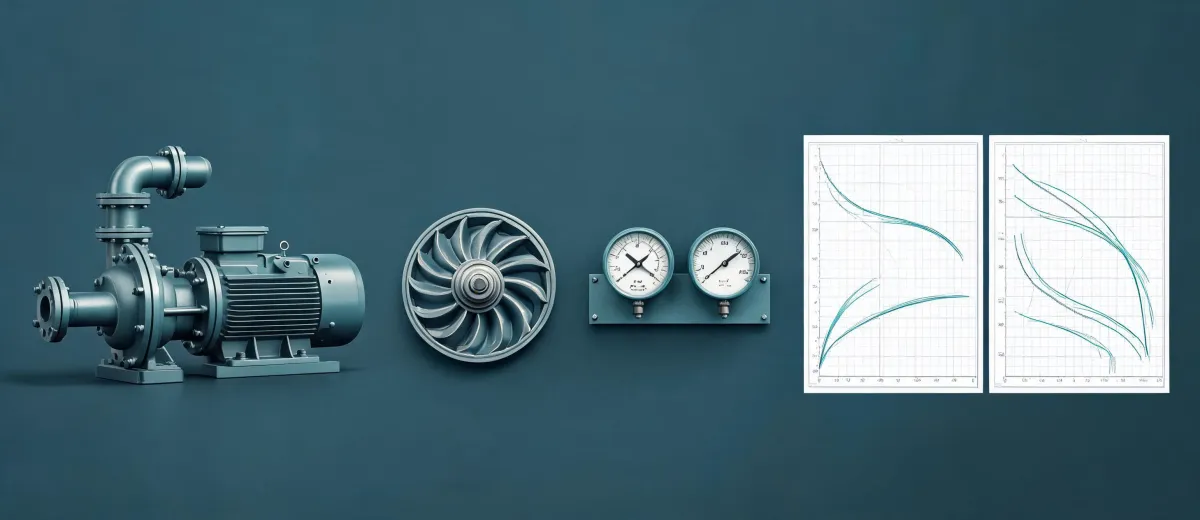
I always check the performance curve in Grundfos's WebCAPS tool before approving a replacement. The curve tells you the actual flow and head at your operating point. Anything less is guesswork, and guesswork is the real hidden cost. A transparent supplier names the exact replacement part numbers before you order, not after.
Argument 3: Installation Details Are Where Low Quotes Hide
Here's a two-minute test that can save thousands: how to check valve stem leak before signing off on a pump installation. Pressurize the system, let the pump cycle a few times, then wipe the stem with a paper towel. If moisture shows after 10 minutes, an O-ring is not seated correctly or the packing gland is too loose. The fix is simple. But if your installer skipped this check, you'll find it after the floor is damaged.
The same pattern shows up with battery backup sump pumps. The quote says the pump. It often excludes the battery box, charger, and float switch. In one March 2026 order, the 'cheap' backup pump needed $420 in extra accessories we had not budgeted for. The quote became transparent only after we asked.
And for anyone who thinks quality control only applies to pumps: we review 919 air compressor parts the same way. A bare part looks cheaper until you realize the rebuild kit, gaskets, and torque specs are not in the box. Same story, different hardware.
Counterargument: But You're Just Paying More for the Brand
I hear that a lot. Brand names carry a premium, and that premium is worth it when the spec is complete. But the bigger issue is a clear quote. I have seen budget components run perfectly; I have also seen premium-brand orders miss a $4 gasket and burn a pump.
Even after choosing the higher-priced, fully specified option, I second-guessed myself. 'What if the customer thinks I'm padding the invoice?' That doubt disappears once the pump curve matches the spec and the system runs clean for 48 hours. The calmer conversation is the one where every cost was disclosed up front.
Checklist That Prevents the Surprise Conversation
Before you hit 'buy' on any pump quote, here is the list I use:
- Are all accessories listed? Controllers, cables, sensors, float switches, batteries.
- Are spare part numbers published? Not 'available on request.' Actual part numbers.
- Is the complete installation drawing included? Including torque settings and valve stem inspection steps.
- Is the pricing valid with a date? Because quotes with expired prices are hidden escalation clauses.
The last one is a big one. If a vendor will not date their quote, I will not trust the price. Transparency is not about being the cheapest. Transparency is about making the total cost visible before you commit.
Bottom Line
Our situation is a mid-sized distributor with predictable ordering patterns, so bear that in mind. If you are a homeowner doing one install, the calculus is a little different. But the core question is universal: ask what is not included before you compare what is. That habit has saved us a lot of time, and it will save you from a very expensive surprise.
So when you see a low Grundfos pump price, I am not saying it's a trap. I'm saying the leak might be in the fine print.