-
The thesis: emergency work is won by verified next steps, not by the lowest line item
-
Argument 1: Grundfos HVAC pumps earn their keep in the documentation as much as the impeller
-
Argument 2: Grundfos CU 301 no contact to pump is a diagnostic trail, not a parts cannon
-
Argument 3: The right tool is a deadline tool—pressure washer, air compressor, impact driver vs drill
-
Counterargument: “This sounds like an excuse to buy premium everything”
-
Reassertion: buy the verified path, not the cheapest guess
The thesis: emergency work is won by verified next steps, not by the lowest line item
If you handle emergency service, you already know the real clock starts before the part arrives. The job doesn’t care that you saved $40 on a no-name substitute. It cares whether you can verify the next step in 10 minutes and keep the client’s building, crew, or deadline alive.
That’s why I’ll take a Grundfos pump with proper documentation over a cheaper lookalike almost every time. Not because the logo is magic—it isn’t—but because when a Grundfos HVAC pump is down, or a Grundfos CU 301 says “no contact to pump,” the manual, wiring diagrams, and parts path are what stop a 20-minute fix from becoming an all-day guessing game.
Same logic applies to tools. A 1700 psi pressure washer, a battery powered air compressor, and the decision about why to use an impact driver over a drill aren’t random catalog items. They’re triage tools. In a rush, the wrong one costs you a second trip. And a second trip is how you miss the deadline (ugh, again).
Argument 1: Grundfos HVAC pumps earn their keep in the documentation as much as the impeller
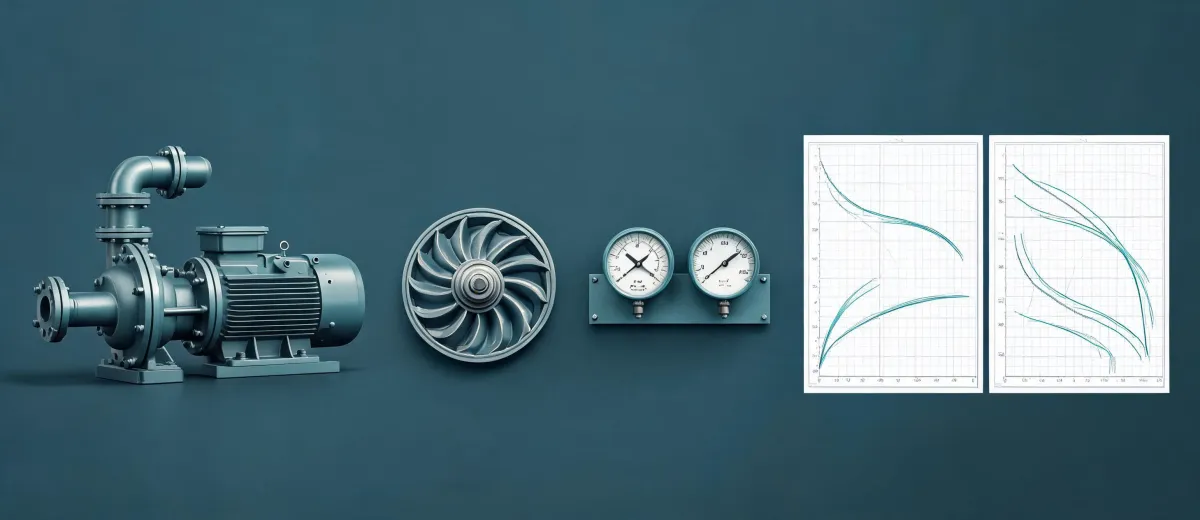
In March 2024, a property manager called at 6:40 a.m. needing help with a failed circulator in a 40-unit building. The inspection was at 10 a.m. Normal turnaround for a replacement was two days. We had a Grundfos HVAC pump on the shelf, but the box wasn’t the hero. The hero was the technical documentation: pump curves, wiring details, and a repair-kit path that let our tech confirm the control strategy in about 15 minutes.
Could a cheaper pump have worked? Maybe. Could it have worked without clear documentation, when the existing system had been modified twice since 2018? That’s where cheap gets expensive. In emergency work, you’re not buying a pump. You’re buying certainty. You’re buying the ability to say, “Here’s the curve, here’s the wiring, here’s the spare-parts route, and here’s why this is the right call.”
This is also where the causation gets reversed. People think expensive brands deliver better quality. Actually, vendors that consistently deliver quality, documentation, and parts support can charge more. The causation runs the other way. You don’t get reliability because you paid more. You pay more because the reliability, support, and technical paper trail are real costs.
That’s also why I don’t trust pump ads that promise “zero maintenance” or “works in every condition.” Per FTC guidelines (ftc.gov), performance claims need substantiation. In pumps, the substantiation is the manual, the curve, and the service data—not the brochure.
That doesn’t mean every job needs the premium option. It means the premium option deserves consideration when downtime has a real penalty. For a rental-unit inspection, a $300 difference is noise compared with a failed inspection or an emergency call-back. For a low-risk spare on a shelf, maybe the math changes. But in a rush, default to the option you can verify.
Argument 2: Grundfos CU 301 no contact to pump is a diagnostic trail, not a parts cannon
The Grundfos CU 301 “no contact to pump” fault is a perfect example of why documentation matters. The CU 301 (a Grundfos control unit used with certain pump systems) is telling you it can’t establish communication with the pump. That message doesn’t automatically mean “replace the controller.” In my experience, it often points to the path between the two: supply power, cable continuity, terminal conditions, moisture, corrosion, or a loose connection that survived until the worst possible moment.
When I’m triaging that fault, I don’t start by swapping boards. I start with the boring checks: isolate power, inspect the terminals, look for damaged or pinched cable, verify the supply against the manual, check for moisture in enclosures, and confirm the pump motor connections. If the basics are clean, then I follow the reset or diagnostic procedure in the current Grundfos documentation. If it still says no contact, that’s when Grundfos service or a qualified pump tech gets involved—not after you’ve shotgunned three parts and burned four hours.
The assumption is that the CU 301 fault is caused by a bad control board. The reality is often that the board is the messenger. The fault is the symptom; the cable, connection, or supply issue is the cause. That distinction saves real money. It also keeps you from introducing a new problem by replacing a part that wasn’t broken.
For SEO purposes, yes, people search “grundfos cu 301 no contact to pump” when they’re panicking. The useful answer isn’t a magic reset sequence copied from a forum. It’s a disciplined diagnostic path and a reminder to verify the current manual for your exact CU 301 and pump combination. I can’t stress that enough: exact model, exact revision, exact manual.
Argument 3: The right tool is a deadline tool—pressure washer, air compressor, impact driver vs drill
Emergency service isn’t just pumps. It’s the support work around them. That’s where a 1700 psi pressure washer, a battery powered air compressor, and the impact driver vs drill decision come in.
A 1700 psi pressure washer is useful for site cleanup, equipment pads, outdoor prep, and light washing before a repair or handoff. It is not a license to blast HVAC coils or electrical enclosures. Keep the nozzle moving, use the right tip, and don’t force water into places it doesn’t belong. In a rush, the goal is to clean the work area and restore a professional finish—not to create a water-damage claim. A 1700 psi unit hits a sweet spot for portability and control, but only if you respect what it can’t do.
A battery powered air compressor is the same story. It won’t replace a shop compressor for high-volume pneumatic work. It can, however, save a trip when you need to blow down a line, clear debris, inflate a tire, or run a small pneumatic task. In emergency kits, the value isn’t raw CFM. It’s being able to do a quick, controlled task without dragging a hose across a finished space.
Now the impact driver vs drill question. Why use impact driver over drill? Because driving long screws, lag bolts, and stubborn fasteners with a drill is how you strip heads, cam out, and overheat the tool. An impact driver converts motor torque into rotational impacts. That makes it better for driving fasteners, especially in tight spaces where you can’t lean on the tool. A drill is still better for drilling holes, mixing, and delicate work where you need a clutch and precise speed control.
In an emergency, bring both. If you’re assembling a temporary support, securing a panel, or reinstalling equipment after a pump swap, the impact driver saves minutes. If you’re drilling pilot holes or working near finished surfaces, the drill saves the job. The mistake isn’t choosing one tool forever. The mistake is pretending one tool can do both without a cost.
Counterargument: “This sounds like an excuse to buy premium everything”
I get it. The obvious pushback is that premium pumps and tools are expensive, and not every job needs the best. Fair. I don’t buy premium for everything, and I don’t think you should either.
But emergency work changes the math. When a client is down, the cost of your time, the cost of a second trip, and the cost of a missed deadline usually dwarf the difference between adequate and excellent. A $40 cheaper tool that costs you 45 minutes is not cheaper. A pump with no usable documentation that forces you to reverse-engineer a system is not cheaper. A CU 301 fault that turns into three unnecessary parts is not cheaper.
This was true 15 years ago when local inventory and local knowledge were the only game in town. Today, a well-organized team with digital manuals, clear parts identification, and the right battery platform can often beat a disorganized local runaround. That doesn’t mean local distributors are bad—they’re not. It means your emergency readiness matters more than the zip code on the invoice.
Also, quality isn’t about luxury. It’s about client perception. When you hand back a clean site, a properly documented repair, and a pump system that starts on the first call, the client remembers that. When they see a stripped fastener, a wet electrical enclosure, or a control unit still showing a fault because someone guessed, they remember that too. The work is the brand.
Reassertion: buy the verified path, not the cheapest guess
So here’s my position, and I’ll keep it: in emergency service, the winning move is to buy or specify the option that gives you a verified path to done. That means Grundfos documentation when Grundfos HVAC pumps are in the mix. It means treating “grundfos cu 301 no contact to pump” as a diagnostic trail, not a parts lottery. It means knowing when a 1700 psi pressure washer is enough and when it’s the wrong tool. It means keeping a battery powered air compressor for quick jobs, not pretending it’s a shop system. And it means understanding why use impact driver over drill for fastening, while still carrying a drill for holes and finesse.
None of that is glamorous. It’s checklists, manuals, cable inspections, and the discipline to slow down for 10 minutes so you don’t lose 10 hours. But that’s what emergency work actually rewards. Not the cheapest line item. The shortest verified path to a result the client can trust.
One last note: for any Grundfos CU 301 or pump-specific procedure, verify the current manual for your exact model and revision, and use a qualified technician or Grundfos service when the fault persists. I’m sharing what works in rush jobs, not replacing your site documentation.