-
The call came on a Tuesday, and we had fourteen days
-
First mistake: I treated pump selection like buying printer paper
-
The comfort pump question nobody asked
-
The tools issue I didn't see coming
-
The drill bit discovery that almost derailed the install
-
What the final numbers looked like
-
The lesson I keep relearning
The call came on a Tuesday, and we had fourteen days
In March 2024, I was three weeks into managing facilities procurement for a small property services company — 22 people, mostly field techs. We'd just signed a maintenance contract covering 14 residential buildings across two counties. The client's walkthrough report listed one complaint that kept coming up: hot water took forever to reach the taps on upper floors.
My job sounded simple. Replace the aging recirculation pumps, install new ones, track every dollar.
It wasn't simple.
First mistake: I treated pump selection like buying printer paper
In my first quarter on the job, I made the classic specification error: assumed "standard" meant the same thing to every vendor. Cost me a $600 redo on a different project, so I thought I'd learned my lesson. I hadn't.
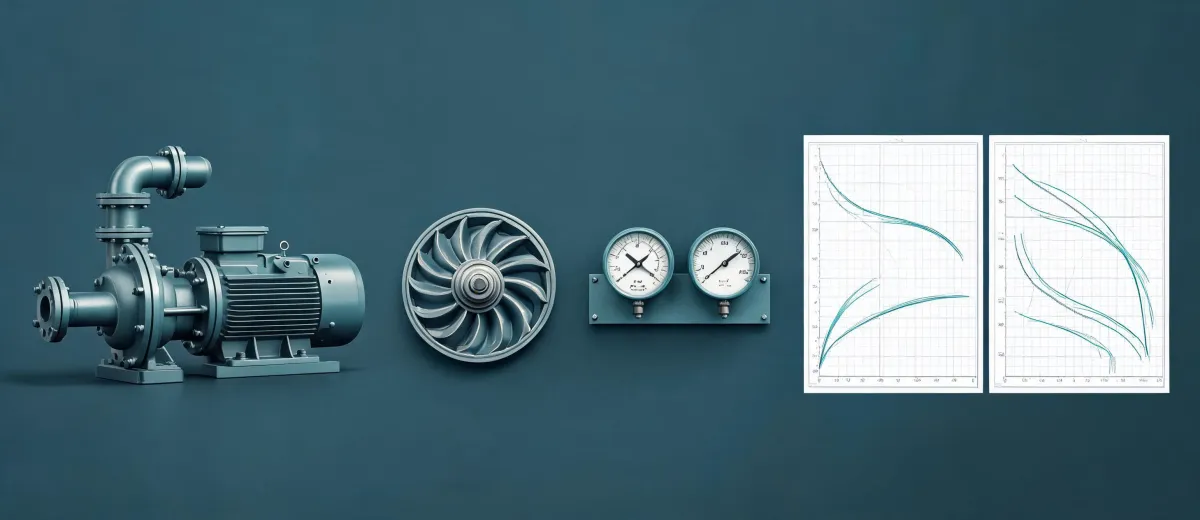
Our lead tech recommended Grundfos recirculation pumps — specifically the COMFORT series — for the smaller buildings where the runs were short. For the two larger sites, he wanted the standard inline circulators with a controller. Fair enough. I pulled together quotes from five distributors and lined them up in my spreadsheet, sorted by unit price.
The lowest bid came in about $800 under the next closest. I flagged it for review.
Then I did what I now do every single time: I pulled the full scope. The cheap quote didn't include flange kits, isolation valves, or the check valve that the Grundfos manual calls for on certain recirc setups. Add those line items and the "cheap" option was actually $340 more than the mid-range quote — which bundled everything.
That's a 6% swing hidden in fine print. Not huge. But across 14 buildings, it added up.
The comfort pump question nobody asked
Here's something I wish I'd known earlier. "Comfort pump" in a Grundfos context isn't just marketing language — it refers to a specific recirc design philosophy. The COMFORT line uses a low-flow, continuous circulation approach that minimizes heat loss in the return loop. For residential buildings with short to medium pipe runs, it works well. For long commercial loops with high demand, it's often the wrong tool.
I recommend the COMFORT series for buildings under roughly 6 stories where the hot water riser stays warm. If you're dealing with a 20-story tower or high-frequency usage — hotels, gyms, laundromats — you might want to look at a larger inline circulator with a smart controller instead. The COMFORT pump will run, but it'll work harder and wear faster.
That's not a knock on Grundfos. It's just how recirculation physics works.
The tools issue I didn't see coming
While I was negotiating pumps, our field crews were fighting their own battles. Two problems surfaced in the same week:
1. Pressure washing. We use pressure washers to clean condenser coils and flush debris from mechanical rooms. Our previous budget units — I won't name the brand — died after about four months of real use. We'd been buying replacements like they were disposable. Someone on the crew asked about stepping up to a heavier-duty unit. I ran the numbers: four cheap washers over 18 months cost us about $1,100 total, plus downtime. A single mid-tier unit at $450 with a two-year service life worked out to roughly $225 per year. The math wasn't close.
2. Oil filter wrenches. This one's embarrassing. We run a small fleet of service vans, and our techs do basic maintenance in-house. A heavy-duty oil filter wrench sounds like a $20 problem. But the cheap stamped-steel one we had slipped during a filter change on a van, cracked the filter housing, and turned a 20-minute job into a $400 repair plus a half-day of lost service calls. The replacement — a proper heavy-duty strap or claw style with a forged handle — cost $35. Pays for itself the first time it doesn't slip.
Short-term thinking on tools had cost us more than the tools themselves.
The drill bit discovery that almost derailed the install
One thing I didn't anticipate: mounting the new pump brackets in buildings with concrete walls. Our installers burned through six bits in two days. I asked why, and the answer was simple — they were using standard HSS (high-speed steel) bits on concrete anchor holes. Wrong tool entirely.
If you ever need to know whether a drill bit is carbide, here's the quick check: look at the tip. Carbide-tipped masonry bits have a distinct insert brazed onto the tip — usually visible as a different color or a small notch — and they're heavier for their size. HSS bits are uniform in material. If you're drilling into concrete or masonry, you want carbide. Full stop. We switched, and the same holes that took four minutes each dropped to under 40 seconds.
What the final numbers looked like
Total project came in at $18,400 across 14 buildings. That was roughly 12% over my initial estimate.
But here's the comparison that matters: the original "cheap" vendor quote, with all the missing parts added back in, project-managed separately, would have landed closer to $21,200. And we'd have been chasing warranty issues from a distributor we'd never worked with before.
Three things I changed in our procurement policy after this:
- Every quote must be normalized to include installation consumables. No exceptions.
- Tools get evaluated on cost-per-year, not sticker price.
- Field techs sign off on tool specs before I buy anything.
The Grundfos pumps have been running for over a year now. Two service calls, both covered under standard warranty. No leaks, no controller faults. I'd buy them again for the same application.
But I'd also tell anyone in my position: don't let the brand name do your thinking for you. Grundfos makes great pumps. It also makes pumps that are wrong for your building if you don't match the spec to the load. The manual isn't a suggestion — it's the minimum. Read it before you sign the PO.
The lesson I keep relearning
Hidden costs don't announce themselves. They wait in the gap between the quote and the scope, in the tool that "should work," in the spec sheet you skimmed instead of studied.
I track every order in a cost system now. Not because I'm organized — because I got burned twice. Once on a $600 redo. Once on a $400 repair that started as a $20 shortcut.
The pumps were the easy part. The discipline was the hard part.