I’m a quality and brand compliance manager at a pump and tool distribution company. I review every inbound batch before it reaches customers—roughly 200+ SKUs a year. In 2024, I rejected about 10% of first deliveries because of spec mismatches. Not because the boxes were wrong. Because the assumptions behind the order were wrong.
If you’re an installer, distributor, or procurement person, you’ve probably had a week like this: A Grundfos pump Scala2 arrives for a boost job, but the flange and control setup don’t match the mechanical room. A well pump Grundfos replacement was ordered from an old curve. Someone is searching for a sump pump customer service number at 4:30 p.m. because a basin is filling up. And in the van, a 10-piece screwdriver set DWHT65201 is being used to open a panel that really needs a torque driver. Then a new tech asks when was cordless drill invented, as if the tool history will explain why the job is stuck.
That’s the surface problem: wrong part, missing support, tool mismatch. The deeper issue is almost always the same—brand is being used as a substitute for specification.
The deeper issue: a brand is not a duty point
Grundfos is a brand. It’s not a flow rate. It’s not a head curve. It’s not a voltage, a control mode, a flange standard, or a basin dimension. When a PO says “Grundfos pump Scala2” and nothing else, you’re basically asking the warehouse to guess the duty point (the flow and head where the pump actually runs).
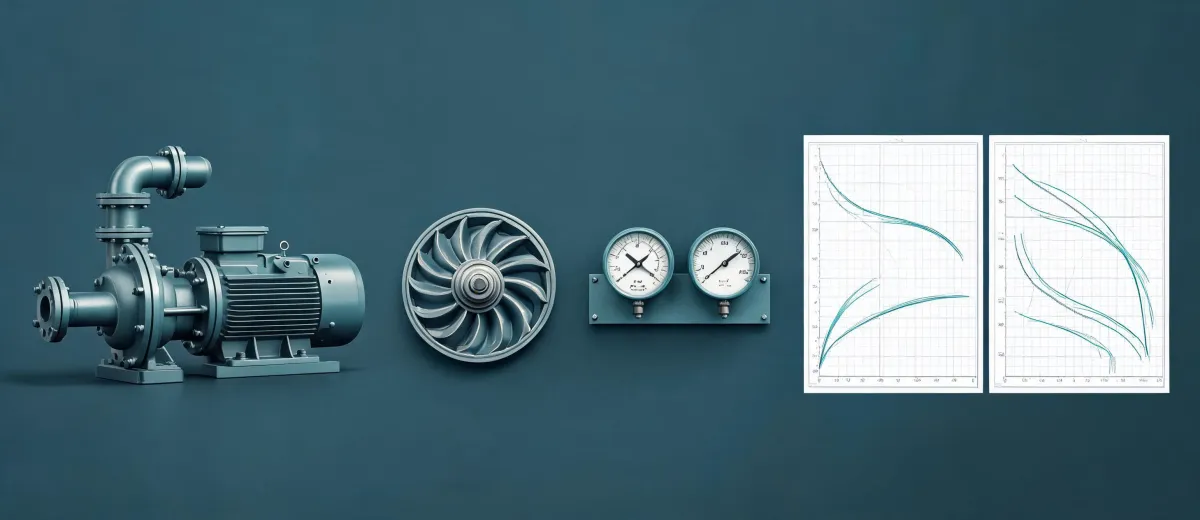
In our Q1 2024 audit, we had a batch where the labels said one flow range but the pump curves in the box were for a different impeller trim. The vendor claimed it was “within industry standard.” It wasn’t within our standard. We rejected the batch and they redid it at their cost. Now every contract includes duty point, voltage, control, and curve revision requirements.
1. The real specs are often undocumented
For a well pump Grundfos selection, the critical details are usually: static water level, drawdown, required flow, total dynamic head, pipe size, and whether the controller is constant pressure or not. For a Scala2 boost job, it’s inlet pressure, required outlet pressure, simultaneous fixture count, and whether the building has a tank or city supply. If those live in a text message, they’re not specs. They’re rumors.
2. Documentation versions drift
I can only speak to our operation, but our biggest repeat failure is old documentation. A distributor sends a submittal from a 2022 PDF, the installer uses a 2023 manual, and the pump arrives with a 2024 controller. The installation is fine on paper and wrong on site. That’s why we now lock the manual, pump curve, and wiring diagram revision to the PO. If the revision isn’t listed, the order doesn’t move.
3. Support and tooling are treated as afterthoughts
Honestly, the sump pump customer service number should come from the official Grundfos support page—not a forum post from 2018. Support channels change. Forms change. If your team is calling a number they saved three years ago, you’re adding delay to a wet situation. The same goes for tools. A 10-piece screwdriver set DWHT65201 is fine for trim plates and terminal covers. It is not a substitute for a torque wrench, a multimeter, or the manufacturer’s installation instructions. Tools help you execute the spec. They don’t create it.
The tech’s question about when was cordless drill invented is actually a useful reminder: tool formats change, but the job spec is what matters. A new drill can make work faster. It doesn’t make the duty point more accurate.
What this actually costs
I don’t have hard data on industry-wide defect rates, but based on our five years of orders, my sense is that quality issues affect about 8–12% of first deliveries. Most are not broken pumps. They’re wrong assumptions. And those assumptions are expensive.
The most frustrating part of vendor management: the same issues recurring despite clear communication. You’d think written specs would prevent misunderstandings, but interpretation varies wildly. One missed flange kit can stop a crew for half a day. One wrong controller can turn a two-hour startup into a return visit, a loaner pump, and an angry property manager. On a 40-pump order, a single curve mismatch can cost thousands in rework and delay a whole building’s commissioning.
That’s the part that rarely shows up in the unit price. Procurement sees a pump cost. Operations sees labor, freight, and schedule. The customer sees “the pump guy didn’t get it right.”
The fix is shorter than the problem
You don’t need a 40-page quality manual. You need a verification habit that catches mismatches before they become callbacks. Here’s what works for us:
- Lock the duty point. Flow, head, inlet pressure, voltage, control mode, and connection type. Put it on the PO, not in an email.
- Attach the exact document revision. Pump curve, manual, wiring diagram, and parts list. If it’s not attached, it’s not approved.
- Use official support paths. For sump pump customer service number or Grundfos technical help, start at grundfos.com and verify current contact details (as of January 2025, at least).
- Inspect at goods-in. Check model, serial, curve revision, accessories, and label against the PO. Reject early. It’s cheaper.
- Educate the customer. An informed customer asks better questions and makes faster decisions. I’d rather spend 10 minutes explaining why a Grundfos pump Scala2 curve matters than deal with a mismatched expectation later.
Per FTC advertising guidelines (ftc.gov), claims must be truthful and substantiated. That applies to pump marketing too. If a supplier says a pump is “universal” or “fits all systems,” ask for the curve, the duty range, and the exclusions. If they can’t show it, treat it as a red flag.
This worked for us, but we’re a mid-size B2B distributor with predictable ordering patterns. If you’re a seasonal contractor with emergency service calls, the calculus might be different. You may need a buffer stock strategy instead of a perfect submittal process.
When a job goes wrong, the model number is rarely the villain. The missing spec is. Fix that, and the Grundfos pump—Scala2, well pump, or sump—has a much better chance of doing what it was selected to do.