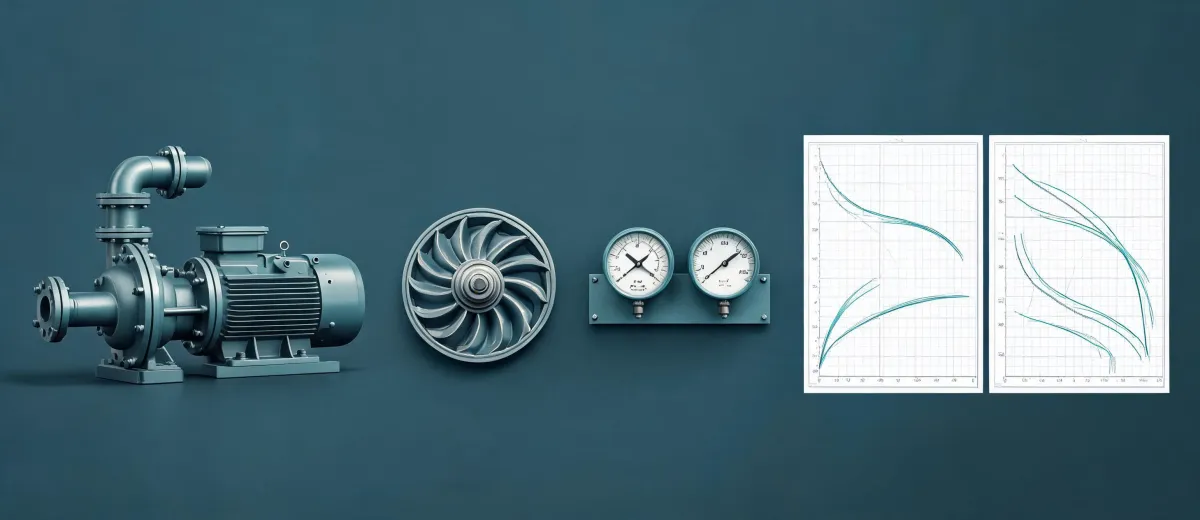
When I took over facility purchasing for our 200-person company in 2021, I made a mistake that cost me around $3,000 before I wised up. I assumed the pump was the product and the tools were just accessories. I'd spec a Grundfos unit, get three quotes, pick the cheapest, then buy whatever screwdriver set and drill were on sale. That's completely backwards. A properly sized Grundfos pump can easily outlast the rest of your system—if the installation is done right, which depends on having decent tools. Five years and roughly $300,000 in purchase orders later, that's the lesson I keep coming back to.
Let me give you the quick numbers first. Based on our maintenance records across about 40 pumps installed or serviced since 2021: most Grundfos pumps last 10 to 15 years with regular basic maintenance. The oldest unit we have is an 18-year-old circulation pump that's never needed anything but a seal replacement. But if you undersize the pump or skip a proper air purge during installation, all bets are off—I've seen a unit fail at four years under exactly those conditions.
What Actually Determines Pump Longevity?
People ask me "how long do Grundfos pumps last" like it's a single answer. What I've learned is that the pump itself is rarely the weak link. The weak link is the installation, the power supply, or the maintenance routine. Here's what I've observed across our facilities:
- Installation quality matters more than brand. A cheap pump installed correctly will outlast an expensive pump installed badly. We had a contractor rush an install once and skip the air purge. The impeller cavitated and the pump died at 14 months. That was on the installer, not the pump.
- Voltage stability is a quiet killer. We had a pump that kept tripping thermal overload for no obvious reason. Turned out the building's electrical panel served both a welding bench and the pump on the same circuit. Once we separated the loads, the problem disappeared.
- Maintenance doesn't mean what most people think. It's not about tearing the pump apart. It's checking for leaks, listening for odd noises, and replacing seals when they first show wear instead of waiting for a full failure.
So when someone asks me about lifespan expectations, I tell them: plan for 10–15 years, and make sure the installation is right. The pump isn't usually the thing that fails first.
The Grundfos SCALA2: The Pump That Changed My Mind
When our old booster system finally died in 2023, I pushed back on the Grundfos SCALA2 at first. It seemed like more technology than we needed. A built-in variable speed drive? Wireless remote control? I run a facility, not a smart home demo.
That initial misjudgment almost cost us time. The contractor recommended the SCALA2 as a drop-in replacement for a system that had been jerry-rigged over several decades. I "compromised" by letting them install it. The numbers from the first year made me eat my words:
- Maintenance calls on the water system dropped to zero in the first year. Previously we were spending roughly two hours per month on it.
- Outlet water pressure variance went from ±8 psi to ±1 psi. I didn't know that was possible with a domestic pump.
- The app—which I admittedly rolled my eyes at—caught a slow suction leak before it became a problem. It flagged low inlet pressure on a Sunday afternoon while the system was running lightly.
According to Grundfos (grundfos.com), the SCALA2's built-in pressure sensor adjusts motor speed continuously to maintain constant pressure, which is exactly what we observed. Our own 12-month comparison: about $600 in maintenance labor and parts in the 18 months before the swap, versus $0 in the 12 months after. The pump paid for part of its premium through reduced service calls alone.
Not every application needs a SCALA2. But if you have a light commercial setup with variable demand, the built-in VFD is genuinely useful, not just a selling point.
The Tools Half: Why I Now Take Screwdrivers Seriously
Here's where I admit something embarrassing. When I ordered our first Phillips screwdriver set in 2021, I chose the $10 option because "a screwdriver is a screwdriver." That cheap set stripped three screws on a pump motor terminal cover during an install. Extracting them killed an entire afternoon.
Cheap tools fail at the worst possible moment, and when they fail mid-installation, the labor cost dwarfs the price difference. Here's what I look for now in a Phillips set for shop use:
- Magnetic tips. Not a gimmick—they keep you from dropping tiny screws into motor housings.
- Hardened steel. The tip should be harder than the screw. Budget screwdrivers are often too soft and cam out on medium-stakes screws.
- Handle shape. Cheap handles are skinny and painful on the palm. A cushioned handle gives more torque with less fatigue.
- Multiple sizes. #0, #1, and #2 Phillips covers almost everything we encounter.
Our current set is a Wiha three-piece kit that ran about $45 (based on supply house quotes, January 2026; verify current pricing). The budget set was $10. Two years later, the Wihas haven't stripped a single screw, and I expect another decade of service from them. That $35 upgrade was the highest-return purchase I've made in this role.
Why We Ended Up With a Gas Air Compressor
This debate went on quietly for months at our shop. The electric compressor was quieter, didn't need fuel, and cost less upfront. But it had one major limitation: the cord. Every job site without a power drop available, every time we needed compressed air 300 feet from the nearest outlet—the electric unit just sat there useless.
We eventually bought a gas air compressor for about $1,200. It solved a whole category of mobile air needs at three separate projects this year alone.
But the honest trade-offs: gas compressors are noticeably louder than electric. They need fuel and oil changes, so someone has to own the maintenance. And for enclosed spaces, exhaust is a real concern—we run ours outside or vented.
My rule of thumb: if you're always within extension cord range, buy electric. If "where the work happens" moves around, buy gas. The price difference narrows once you calculate the cost of a heavy-duty 200-foot extension cord and the voltage drop that comes with it.
What Does a Heavy Duty Cordless Drill Actually Have?
I've bought four drills in five years. Here's what "heavy duty" actually means in practice:
- A brushless motor. Not marketing fluff. Brushless motors deliver more torque, run cooler, and last longer. The two budget drills I owned had brushed motors; both overheated under load around the 14-month mark. The brushless replacement hasn't flinched.
- 18V or higher (sold as 20V max in some brands). The 12V class is fine for light assembly, but driving 1/4" lag bolts or drilling through steel requires real voltage.
- All-metal chuck. A wobbling chuck introduces runout that breaks bits and wrecks precision work.
- A working clutch. This controls how deep a screw goes before stopping. Without it, you strip heads and snap bits constantly.
- Battery platform, not just the drill. The real investment is the battery system. We bought into one brand's 18V platform so future tools can share batteries.
Concrete example: I bought a Milwaukee M18 Fuel drill in 2022 for $329 with a battery and charger, after burning through two budget drills at $109 each in 14 months. The budget drills died slowly—first torque loss, then slipping chucks, then total failure. The Milwaukee is two years in and feels like day one.
The internal debate on that purchase is a good lesson. Every spreadsheet analysis pointed to the cheaper drill. The data said it was "good enough" and I'd save money. My gut said spend more and be done. The gut won because the data couldn't quantify the labor cost of a drill dying mid-install—or the cost of a stripped screw turning a 30-minute job into a three-hour one.
Where I'm Sure I'm Not Universal
I should be honest about the limits of my experience. My purchasing covers a light commercial facility and a small maintenance shop. If you're doing industrial-scale pumping—wastewater, chemicals, 24/7 process duty—none of my lifespan estimates apply. That's a completely different engineering category.
I also can't speak to residential pricing dynamics. We buy through commercial supply houses, and our numbers likely differ from what a homeowner sees. If you're considering a Grundfos pump for a residential setup, verify current pricing and get a local contractor's opinion.
And on brands: Grundfos has been dependable for us, but I've seen Wilo, Taco, and others perform well in different facilities. Brands matter less than having a local distributor who stocks parts and provides real technical support. Actually, the distributor might matter more than the brand in some ways.
The Small-Customer Lesson
When I started this role, our account with a major distributor was around $5,000 for the first year. Some counter staff clearly saw an order for a $45 screwdriver set as beneath them. But one smaller supply house took me seriously. They answered questions, helped me spec the right pumps, and never made me feel bad about small orders.
That vendor now gets the bulk of our business—about $60,000 annually. The distributors who didn't engage with us as a small account lost the opportunity as we grew. Vendors who treat small orders well are the ones you want when your orders get big. It's not about being nice—it's about demonstrating that they understand service from day one.
And that connects back to the pump and tool question. Whether it's a Grundfos pump, a screwdriver set, an air compressor, or a cordless drill, what you're really buying is reliability. The money saved at the register doesn't matter if the equipment fails at 4 p.m. on a Friday. Buy things you can trust, and buy from people who trust you back. The lifespan question mostly answers itself.